
 Fall Sale! | Call or Text
(866) 698-6690


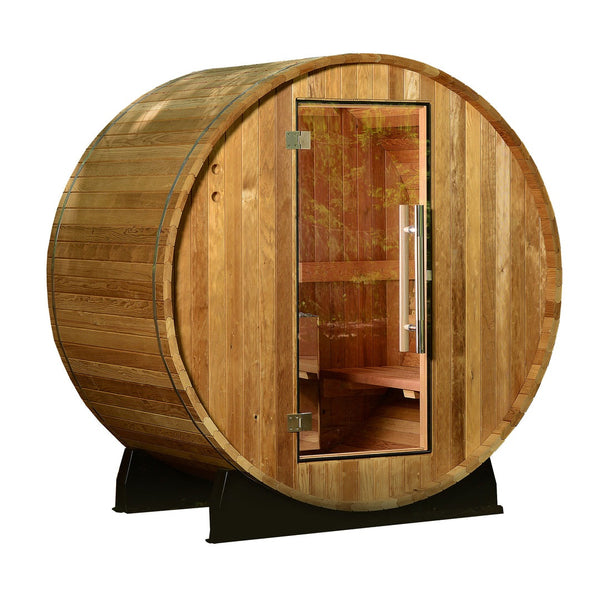
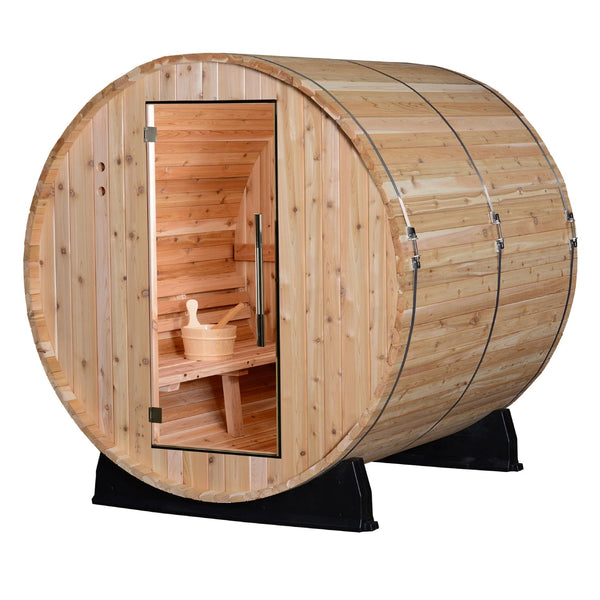
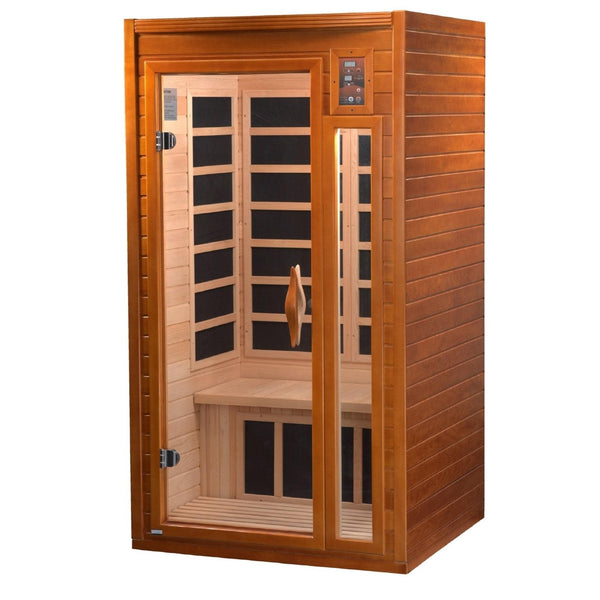
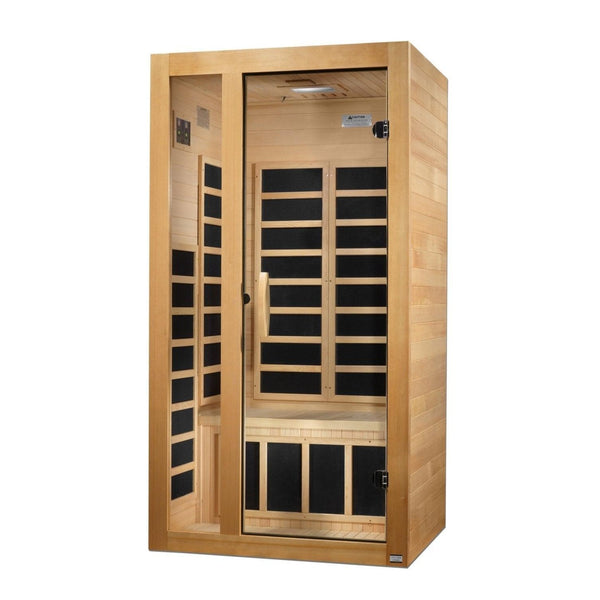

Infrared saunas are perfect for home use due to their energy efficient design, easy maintenance and gentle impact on the body. Ideal for post-workout recovery and joint pain relief, our premium full-spectrum infrared saunas are perfect for every home. Buy your infrared sauna with confidence at Select Saunas and enjoy our easy financing, expert guidance, and a hassle-free shopping experience.
Infrared Saunas


Best Selling Infrared Saunas Comparison
|
Sauna Model |
Capacity |
Heater Type |
EMF Rating |
|
3-Person |
FAR Infrared |
Low EMF |
|
|
2-Person |
Full Spectrum Infrared |
Near Zero EMF |
|
|
1–2 Person |
FAR Infrared |
Ultra Low EMF |
|
|
2-Person |
Hybrid Sauna |
Shielded Low EMF |
|
|
1–2 Person |
FAR Infrared |
Ultra Low EMF |
Benefits of an Infrared Sauna
Infrared saunas use targeted light wavelengths to warm your body directly, unlike traditional saunas that heat the air. The air stays cooler, so sessions feel gentler and many people find them easier to sit through. Here is a closer look at what sets infrared saunas apart, with the hype left out.
Deep, Targeted Heat Penetration
Unlike conventional saunas that rely on high ambient temperatures (often 170–200°F), infrared saunas operate at a lower range—typically between 120°F and 150°F. But the difference is in how the heat is delivered.
Infrared energy is absorbed by your skin and the tissue just beneath it rather than by the air, so you start sweating at a lower cabin temperature. The sweat is the same sweat you get from any heat; what changes is how long most people can comfortably stay in.
Sweating Without the Extreme Heat
A typical infrared session produces a heavy sweat at 120 to 150°F. Sweat is mostly water and electrolytes; small amounts of some metals have been measured in sweat in research studies, but your liver and kidneys do the real clearing, so we do not sell infrared saunas as a detox treatment. What you can count on is a good sweat, a mild cardiovascular workout and the relaxation that comes with it.
Pain Relief and Muscle Recovery
Heat is a long-standing tool for easing muscle soreness and joint stiffness, and infrared cabins deliver it without the 180°F air of a traditional sauna. Blood vessels dilate, circulation to the skin and muscles rises, and most people feel looser afterwards.
Small clinical studies have looked at infrared sauna use for people with:
-
Arthritis
-
Fibromyalgia
-
Chronic fatigue syndrome
-
Post-workout recovery
Those studies report modest, short-term improvements in pain and stiffness, not cures. If you have a medical condition, check with your doctor before starting regular sessions. Far-infrared (FIR) models are the usual choice if soreness and stiffness are your main reason for buying.
Energy Efficient
Most 1 to 3 person infrared cabins draw 1.5 to 2.0 kW while the panels are on, so a 45-minute session including warm-up uses roughly 1.5 to 2 kWh (about 25 to 35 cents at average US electricity rates). A 6 to 8 kW traditional electric heater typically uses 3 to 5 kWh for a comparable session because it has to heat the whole room and the stones, not just the panels. Infrared is cheaper to run, but not by 90 percent.
|
Infrared advantage: Most small infrared saunas plug into standard 120V or 240V outlets, with no need for special venting or plumbing. This makes them ideal for home installations, even in tight spaces like bedrooms, basements, or home gyms. |
Improved Circulation and Heart Health
Your heart rate climbs during a sauna session, for most people into the range of a brisk walk, and blood flow to the skin increases as your body sheds heat. The best-known research on sauna bathing and cardiovascular health comes from long-running Finnish studies of traditional saunas, which found that people who bathed 4 to 7 times a week had lower rates of cardiovascular events than once-a-week bathers. That is an association, not proof of cause, and the infrared-specific evidence is smaller. Regular sessions may help:
-
Lower blood pressure
-
Improve vascular function
-
Support metabolic health
Sauna is a complement to exercise, not a replacement for it. If you have heart disease or low blood pressure, ask your doctor before making it a habit.
Weight and Recovery
You burn somewhat more calories in a sauna than sitting at rest because your body works to cool itself, but the figures you see online (300 to 600 calories per session) are not supported by good evidence, and most of the weight lost in a session is water that comes back when you rehydrate. Treat the sauna as part of a recovery routine alongside diet and exercise, not as a weight-loss device.
Skin
Sweating and increased blood flow to the skin leave most people with a flushed, fresh-looking complexion after a session. Near-infrared and red light (used in full-spectrum models and dedicated red light panels) have been studied for collagen and skin texture under the name photobiomodulation; results depend on wavelength, dose and distance, and the emitters built into sauna cabins are weaker than clinical devices. Expect a pleasant side effect, not a treatment.
What to Consider When Buying an Infrared Sauna
To get the most value from your investment, it’s important to understand the technical specs, materials, and design features that directly impact performance, comfort, and long-term satisfaction. Here are the most important things to look for:
Sauna Size and Capacity
Infrared saunas typically range from 1-person to 5-person models. Consider your available space and how you plan to use the sauna with others at home.
-
1-Person Saunas: Compact and efficient, ideal for small spaces like bedrooms or offices. Example: Dynamic Saunas Barcelona Elite
-
2–3 Person Saunas: Most popular size for couples or small households. Offers more legroom and often includes bench seating on multiple sides, such as this Maxxus Sauna.
-
4–5 Person Saunas: Best for families or social use. These units may need a 240V dedicated circuit and more square footage, such as this hybrid Finnmark FD-5 Sauna.
Type of Infrared Heating Technology
There are three types of infrared wavelengths used in saunas, each with specific benefits:
-
Far Infrared (FIR): The workhorse wavelength in most cabins. Warms the body efficiently at low air temperatures; the usual pick for recovery and soreness.
-
Near Infrared (NIR): Shorter wavelength absorbed closer to the skin surface. Studied for skin and tissue effects; usually delivered by halogen or LED emitters in full-spectrum models.
-
Mid Infrared (MIR): Sits between the two. Adds surface warmth and helps a cabin feel hotter faster.
Full-spectrum saunas combine all three wavelengths in one unit, usually with separate far-infrared carbon panels and a smaller near-infrared emitter you can switch on or off. Our top models, such as the Golden Designs Hotel, use modern carbon heaters to deliver consistent, even warmth across all panels.
Heater Panel Design and Coverage
Heater placement and quality are key to how effective and comfortable your sauna will feel.
-
Carbon Panels: Provide even, low-intensity heat across a wide area. Long-lasting and energy-efficient.
-
Ceramic Heaters: Hotter and faster, but more concentrated. Often used for spot treatment.
-
Hybrid Systems: Combine carbon and ceramic for maximum benefit.
Look for 360° heater coverage—including panels on the back, sides, legs, and sometimes under the bench. This ensures your entire body is enveloped in consistent heat without hot or cold zones.
EMF and ELF Safety
Electromagnetic field (EMF) and extremely low frequency (ELF) readings are the most common question we get about infrared saunas. There is no US regulatory limit for sauna EMF; the 3 milligauss (mG) figure you see quoted is an industry benchmark, not a safety standard, and readings fall off quickly with distance from the panel.
The ratings differ by brand and by model, so read the spec table on each product page rather than the marketing label. Finnmark Designs publishes a third-party (NTS) EMF test log; Golden Designs, Dynamic and Maxxus state a mG range and measurement distance on their spec sheets, and we can request the underlying test documentation for a specific model. As a rule of thumb for the models on this page:
-
Near-zero EMF (under 2 to 3 mG at the bench): Golden Designs and Dynamic PureTech™ models, Maxxus near-zero models
-
Ultra-low EMF (3 to 5 mG, measured 2 to 3 inches from the panel): for example the Dynamic Saunas Cordoba Elite
-
Low EMF (5 to 10 mG, measured 2 to 3 inches from the panel): most standard Maxxus and Dynamic carbon-panel models
If EMF is your deciding factor, filter this collection for near-zero models, or call us and we will send you the test report for the model you are considering.
Build Quality and Materials
The durability and comfort of your sauna depend heavily on the materials used.
-
Wood: Look for hypoallergenic, sustainably sourced woods like Canadian Hemlock, Red Cedar, or Basswood. These are durable, low in resin, and resistant to warping from heat.
-
Glass: Tempered safety glass doors and windows retain heat efficiently while providing visibility and a modern aesthetic.
-
Construction: Tongue-and-groove joinery and double-wall insulation enhance both heat retention and structural integrity.
From our own experience and what we’ve heard from other sauna enthusiasts, well-built saunas last 10–20 years with minimal maintenance.
Control Panels and Connectivity
Many infrared saunas now include digital touch panels—some inside and out—for controlling temperature, session time, lighting, and music. The best features that help supplement your relaxation include:
-
Programmable timers
-
Bluetooth or Aux audio systems
-
Chromotherapy (LED light therapy)
-
Wi-Fi or app control (on select models)
If you’re looking for a luxury infrared sauna experience, the Golden Designs 2025 Reserve Edition GDI-8040 is one of the top models. In addition to its spacious 67″ x 37″ x 69″ interior, this model also comes with a Red Light Therapy feature.
Electrical Requirements
Small 1-2 person saunas can typically be plugged into a standard 120V outlet. On the other hand, 240V saunas may be needed for 3-person or higher capacity models, particularly those with full-spectrum capability. These often require a dedicated circuit installed by a licensed electrician.
Always check the power draw (usually 1.4 to 2.2 kW) against your circuit. A standard 120V, 15 A household circuit can safely run a cabin rated up to about 1.8 kW on its own; anything above that, or any cabin sharing a circuit with other appliances, should be on a 120V/20 A or 240V circuit. The product page for every model on this site lists its voltage, wattage and plug type.
Ventilation and Placement
While infrared saunas don’t require external ventilation like traditional models, room airflow still matters.
Ideal locations include:
-
Bedrooms
-
Home gyms
-
Finished basements
-
Spa or wellness rooms
Make sure there’s at least a few inches of clearance around the unit and a flat, dry surface underneath.
Flexible Sauna Financing at Select Saunas
Investing in your wellness shouldn’t mean putting your finances under pressure. That’s why Select Saunas offers simple, flexible financing to make owning your sauna more accessible—no waiting, no stress.
Thanks to Bread Pay™, you can split your total into easy monthly payments with zero hidden fees. Just choose your sauna, select Bread Pay at checkout, and enjoy a straightforward path to sauna ownership.
And here’s a bonus: your sauna might qualify as a health expense. With a Letter of Medical Necessity from your doctor, you could use HSA or FSA funds to cover the cost. We’ve partnered with Truemed to help make the process smooth and hassle-free.
Frequently Asked Questions (FAQs)
Q1: What is the difference between an infrared sauna and a traditional sauna?
Infrared saunas use infrared heaters to emit light that directly warms your body, while traditional saunas heat the air around you using an electric or wood-burning heater.
Q2: Do I need special electrical requirements for my infrared sauna?
Most home infrared saunas operate on a standard 120V outlet. Larger units and hybrid saunas will require a dedicated 240V circuit.
Q3: What type of flooring is best for installing an infrared sauna?
A flat, dry surface such as tile, concrete, or laminate flooring is ideal for infrared sauna installation.
Q4: Can I install an infrared sauna, or do I need professional help?
Most infrared saunas come with detailed instructions and can be assembled by two people. However, if you prefer, we can connect you to a professional contractor in your area.
Q5: What is the difference between near-, mid-, and far-infrared saunas?
The three bands differ in wavelength and in how close to the skin surface they are absorbed. Far-infrared heats the body most efficiently and is what most cabins use; near-infrared is absorbed nearer the surface and is the band studied for skin effects; mid-infrared sits between them. Full-spectrum cabins include all three. This clinical review summarises what the evidence does and does not show for sauna bathing.
Q6: How do I choose the infrared sauna of the proper size for my space?
Consider the dimensions of your available space and the number of users to select the appropriate infrared sauna size. Our team can help you find the best home infrared sauna for your space.
Q7: Can I use my infrared sauna if I have a pacemaker or other implanted medical device?
People with certain medical conditions should be cautious when using infrared saunas.
Consult your healthcare provider before using an infrared sauna if you have a pacemaker or other implanted medical device.


